
Bid Smart, Bid with Confidence
Discover Exclusive Properties
Bid on real estate with confidence, featuring real-time updates and maximum control.
Verify your account and take part in a transparent and secure bidding process.
A selection from our listings
Explore our latest and most outstanding properties, carefully selected for their unique features and opportunities.

Various studio apartments available for rent
In the city center of Zoetermeer, we regularly have spacious studios available for rent. Thanks to the fantastic location, you will have…
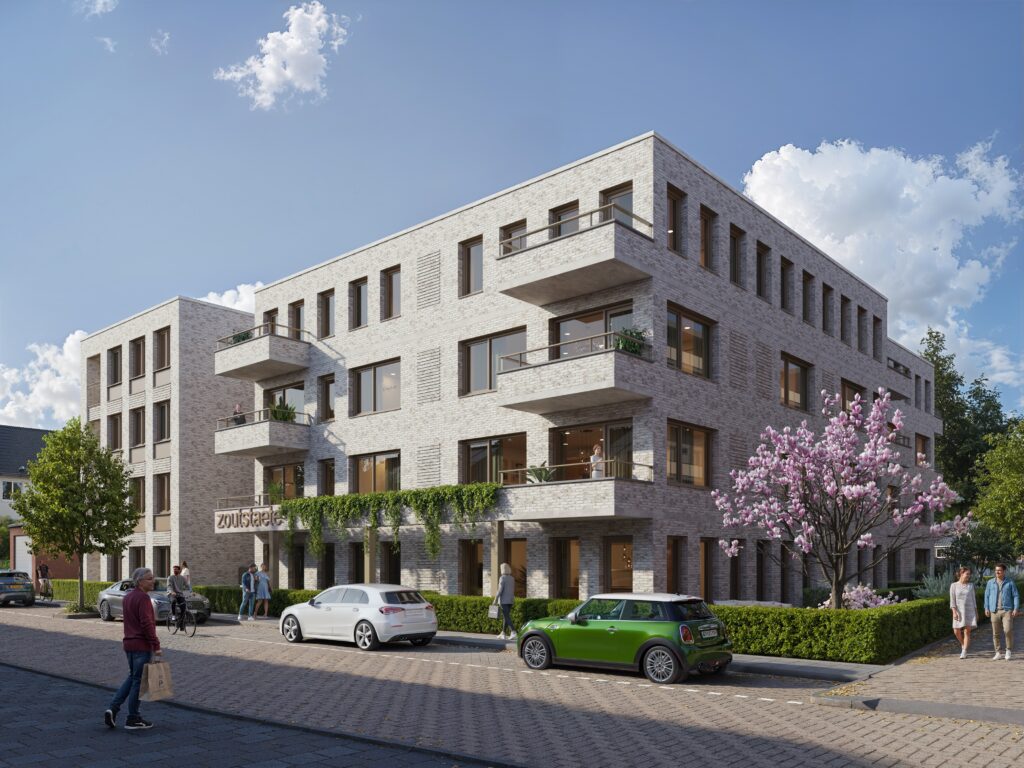
Zoutstaete Eindhoven
Zoutstaete EindhovenComfortable, Future-Proof Living in Eindhoven Enjoy comfortable, future-proof living in Eindhoven, combining the space of a real home with the convenience…
How bidding on REAP works
Bidding on REAP is easy, transparent, and secure.
Get started in just a few simple steps.
Is the highest bid always the one that counts?
Yes, the highest bid is the deciding factor. Once the bidding closes, we will invite you for a meeting to discuss the draft purchase agreement. You only have certainty once both parties have signed.
When is a purchase final?
A purchase is not truly final until the deed has been executed before a civil-law notary. However, the sale is also often referred to as final once the purchase agreement has been signed, all conditions precedent have lapsed, and the bank guarantee has been provided.
What does the cooling-off period entail?
After the purchase agreement has been signed by both parties, a private buyer has three days to withdraw from the purchase without giving a reason. Exactly when this cooling-off period ends depends partly on the day of signing and any intervening Sundays or public holidays.
What does “vrij op naam” (v.o.n.) mean?
With a newly built home, you do not pay “buyer’s costs.” This means you do not have to pay property transfer tax, real estate agent fees, or notary fees (for the deed of conveyance). This arrangement is also known as *vrij op naam* (v.o.n.).
Additional costs for purchasing a newly built home
When purchasing a newly built home, you will face various additional costs, such as construction interest, mortgage arrangement fees, finishing the home to your own taste (bathroom, kitchen, etc.), and landscaping the garden.
What is construction interest, and how much does it amount to?
When you buy a newly built home and take out a mortgage, you pay mortgage interest. However, in some cases, you also have to pay construction interest. You pay this interest to the party building the home (usually the contractor) during the construction process. This interest can consist of a financing fee and deferred payment interest.
Financing fee: This is the interest paid for the period prior to signing the purchase and construction agreement. These costs are not tax-deductible and are often included in the total purchase price of the home.
Deferred payment interest: This is the interest paid after signing the purchase and construction agreement but before the mortgage has been finalized. This interest is tax-deductible.
Why a bank guarantee?
Many people believe that a bank guarantee is linked solely to a mortgage contingency. However, a bank guarantee provides the seller with assurance that the buyer will fulfill their obligations under the purchase agreement. Even if the mortgage has been secured, a buyer might still fail to meet their obligations, causing the seller to suffer a loss.
Role of the civil-law notary
The civil-law notary is appointed by law to handle the transfer of the property. The notary investigates the property and verifies that the parties are authorized to sell. In addition, checks are carried out regarding the legal status and the receipt of funds to ensure that everything is in order for the property to be safely transferred from one owner to another.
Final inspection
With a newly built home, the handover of keys takes place at a later stage than with an existing property. You often sign the contract with the notary for a plot of land or a partially completed house much earlier on, without having been able to assess the finished result. For this reason, you have the right to inspect the property prior to completion to ensure everything is in perfect condition and delivered according to the agreement—a process known as a pre-completion inspection. Always have this inspection carried out by an independent party. While there is no fixed price for such an inspection, you can expect to pay between approximately €300 and €500.
I need to register using iDIN. What happens to my data?
Your data will not be used for any other purpose. It will not be stored anywhere. The iDIN check is used solely to verify that we are dealing with a unique individual who is of legal age.